In short
- Sort three things online before you fly: the e-VOA, the Bali levy and the arrival card.
- It's rainy season. Expect a short heavy shower most afternoons, not washed-out days.
- On 31 December, pick one spot and stay there. The traffic is no joke.
- Go to Ubud Art Market between 8 and 10am for the morning price.
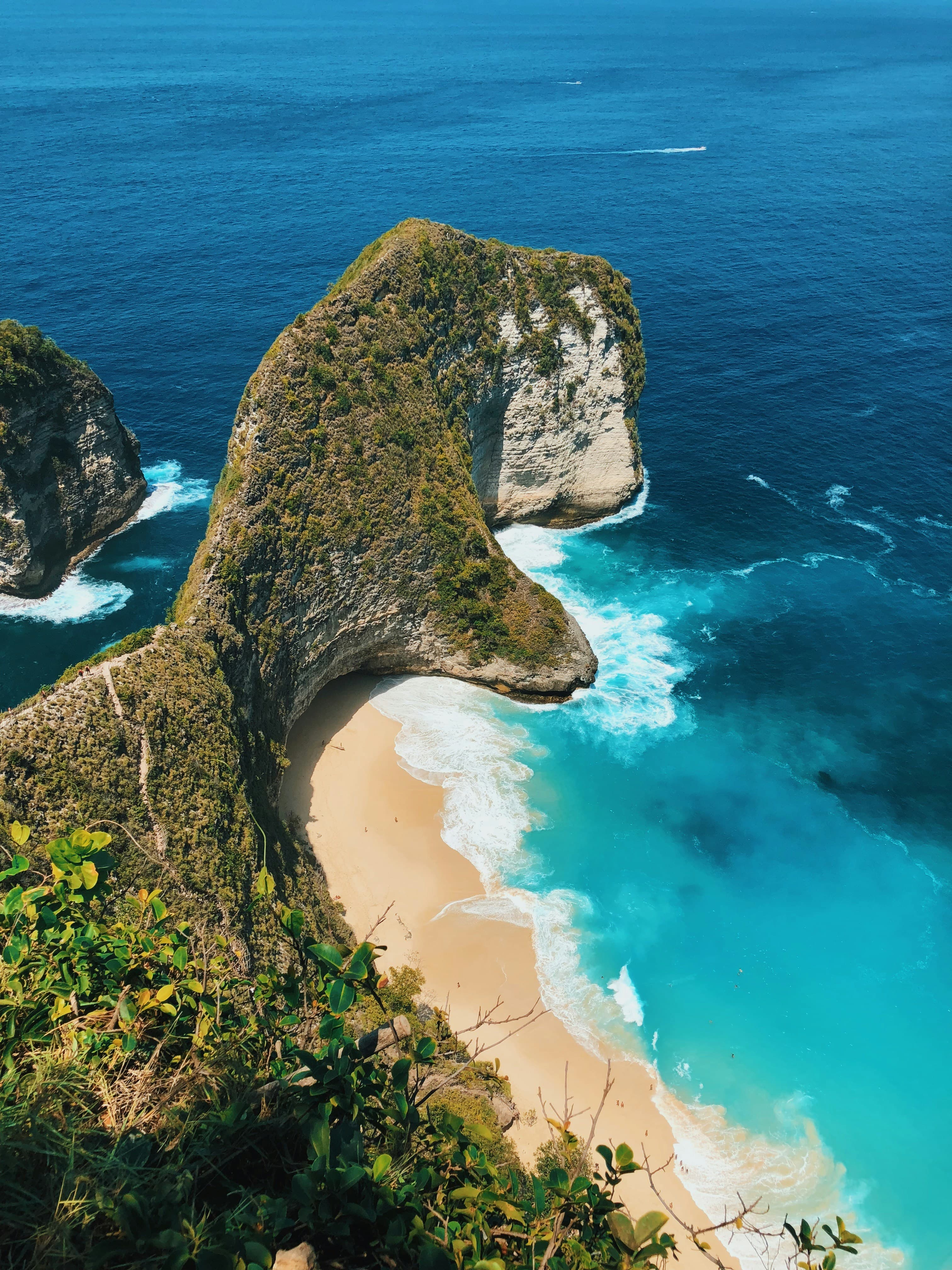
New Year's in Bali sounds like a dream, and mostly it is. Warm nights, beach clubs, a sunrise above the clouds, and a turtle gliding underneath you somewhere off Gili.
It's also the busiest week of the year on the island, right in the middle of rainy season. None of that should put you off. It just means a little planning goes a long way. Here's everything I'd tell a friend going for the first time.
Sort the paperwork before you fly
Indian passport holders can get Indonesia's visa on arrival, and you can apply for it online before you fly as an e-VOA. There are three things to do, all online:
- The e-VOA. Apply on the official Indonesian immigration site. It's about IDR 500,000 and covers a 30-day stay. Your passport needs at least six months of validity left.
- The Bali tourist levy. IDR 150,000 per person, paid once per visit on the government's Love Bali website or app. Keep the QR code handy.
- The All Indonesia arrival card. A short online declaration, filled in within three days before you land.
Yes, it'll rain. No, it won't ruin anything
December and January are Bali's wet season. In practice that usually means warm, sticky days around 30°C with a heavy shower in the afternoon or evening, after which it clears. It rarely rains all day.
- Pack a light rain jacket and quick-dry clothes. Leave the jeans at home.
- Plan beaches and anything outdoors for the morning.
- Keep your phone and passport in a dry bag on boats and bikes.
New Year's Eve: pick one spot and stay there
If you remember one thing from this post, make it this. On 31 December, traffic in Canggu, Seminyak and Uluwatu builds from mid-afternoon and can stay gridlocked until well after midnight. Fares go up, some roads near the beaches close, and a 15-minute drive can take over an hour.
So decide where you're celebrating, get there early, and don't plan to cross town. Book tables and drivers weeks ahead, because they sell out. And give yourself a lot of extra time if you're flying out on 1 or 2 January.
It's exactly why our itinerary moves to Canggu on the 31st and keeps the whole night at Atlas Beach Club.
Gili: the island with no cars
The Gili Islands run at a different pace from Bali. There are no cars or motorbikes at all. You get around by bicycle, on foot, or in a cidomo, a small horse cart. You can cycle all the way around Gili Trawangan in about half an hour.
Getting there is the part to respect. Fast boats from Padang Bai take about an hour and a half in good weather, but December to March is the rough season and the crossing can be bumpy. Now and then, boats are delayed or cancelled.
- Take a motion sickness tablet before you board, not once you start feeling it.
- Sit towards the back, where the boat moves less.
- Book boats early, because the holiday week sells out.
- Carry some cash for the island. Smaller places don't take cards.
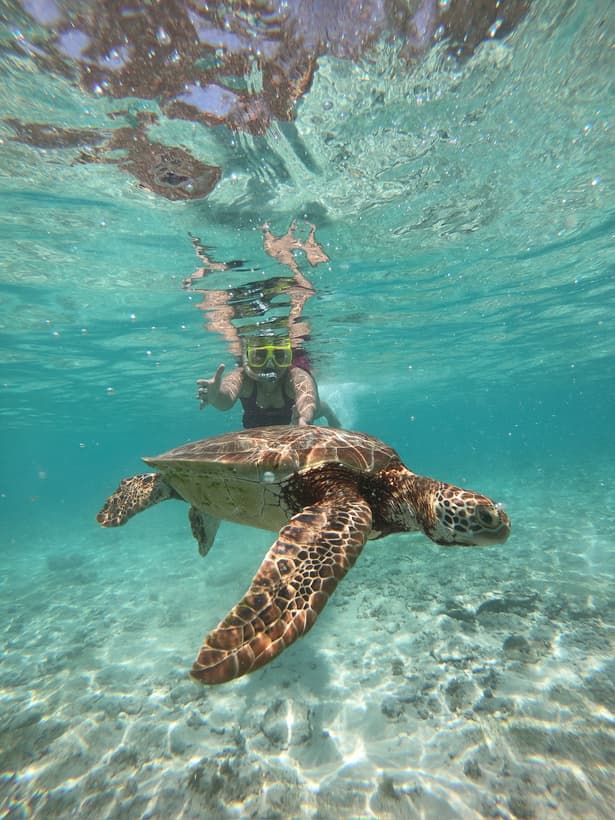
Once you're there: snorkel with the turtles in the morning, grab a beanbag on the west side for sunset, and eat your way around the night food market.
Where to go out
Bali's beach clubs each have a personality. A rough guide:
- Atlas Beach Club, Berawa. Huge, loud and made for the big night. It's where we see in the new year.
- Finns Beach Club, Berawa. Pools, DJs, daybeds and eleven bars. Go in the day and stay for sunset.
- Potato Head, Seminyak. The iconic one, with pool parties most days and a great sunset.
- La Brisa, Echo Beach. Built from reclaimed wood and old fishing boats. Come for the sunset rather than the party.
- Old Man's, Batu Bolong. Cheap beers by the sea and no cover charge. Wednesday is the night.
Opening hours and event nights shift through the season, so check each club's Instagram the week you go.
Cafés worth crossing town for
Canggu and Ubud have some of the best café culture anywhere. A few we love:
- Kynd Community, Seminyak. The famous pink smoothie bowls. It's on our itinerary for a reason.
- Shady Shack, Canggu. Vegetarian, leafy and calm. Exactly what the first morning of the year needs.
- Peloton Supershop, Canggu. Fully plant-based and genuinely good, not just good for vegan.
- Sage and Alchemy, Ubud. Plant-based food done properly. Alchemy's salad bar is a whole meal.
For coffee with a view, find a café looking over the rice fields in Ubud, and go in the morning before the heat sets in.
Veg and Jain food in Bali
Balinese food is wonderful, but a lot of it is built on shrimp paste and fish sauce, including dishes that look vegetarian. If you're strict, ask before you order.
The good news is that Bali has excellent Indian food, and a few places handle Jain requests well:
- Queen's Tandoor, Seminyak. The one everyone recommends, with Jain options and no-onion, no-garlic gravies.
- Shiv Sagar, Seminyak. Pure veg, with Gujarati and Rajasthani dishes, and most of the menu can be made Jain.
- Mokshu, Canggu. Vegetarian Indian with a focus on Jain food.
- Ganesha Ek Sanskriti, Ubud. Keeps a separate kitchen for vegetarian and Jain cooking.
As always, call ahead for Jain meals and check recent reviews, because menus change. And pack a few dehydrated meal packs, the just-add-hot-water kind. On Gili and on the long transfer days, they're a life saver.
Markets and shopping
Ubud Art Market is the classic, and timing makes all the difference. Go between 8 and 10am. It's cooler and quieter, and sellers are keen to make their first sale of the day, which is considered lucky. You'll hear people ask for the "harga pagi", the morning price.
- Start at around 40 to 50% of the first price, smile, and be happy to walk away.
- Buying a few things from one stall gets you a much better price.
- Bring cash. Many stalls take QRIS, the QR code payments, but cash is simpler.
- The best buys: rattan bags, sarongs, wooden bowls and silver jewellery.
The small things
- Mount Batur at sunrise. The day starts at around 3am and it's cold at the top. Bring a hoodie. You'll laugh at how much you need it in Bali.
- Temples. Cover your shoulders and knees. Most temples lend or rent sarongs at the entrance.
- Tegallalang rice terraces. Go before 8am, for the light and to beat the tour buses.
- Water. Drink bottled or filtered water. Ice in established cafés and restaurants is usually factory-made and fine.
- Money. Cards work at most cafés and clubs in Seminyak and Canggu. Keep cash for warungs, markets and Gili.
- Getting around. Grab and Gojek work across most of Bali, but some areas don't allow app pickups, so a pre-booked driver is often easier.
That's it. Pack light, carry a little cash, leave room in your bag for a rattan basket, and say yes to the 3am sunrise. You won't regret it.

Griva Jain
Founder, Brew Your Experiences
Griva started Brew by planning trips for friends, and still plans every route herself. She's usually the one on the group WhatsApp at 2am sorting out tomorrow.
Prefer your own dates? Plan a custom trip with us