In short
- October is warm and green with smaller crowds. Late November is peak autumn colour.
- From 1 November 2026, you pay tax in shops and claim it back at the airport.
- Doing Mario Kart? You need an International Driving Permit from your RTO, plus your licence.
- Fushimi Inari and the bamboo grove before 8am. Markets at 9am. Dotonbori after dark.
- Pack layers, good shoes and a small bag for rubbish.
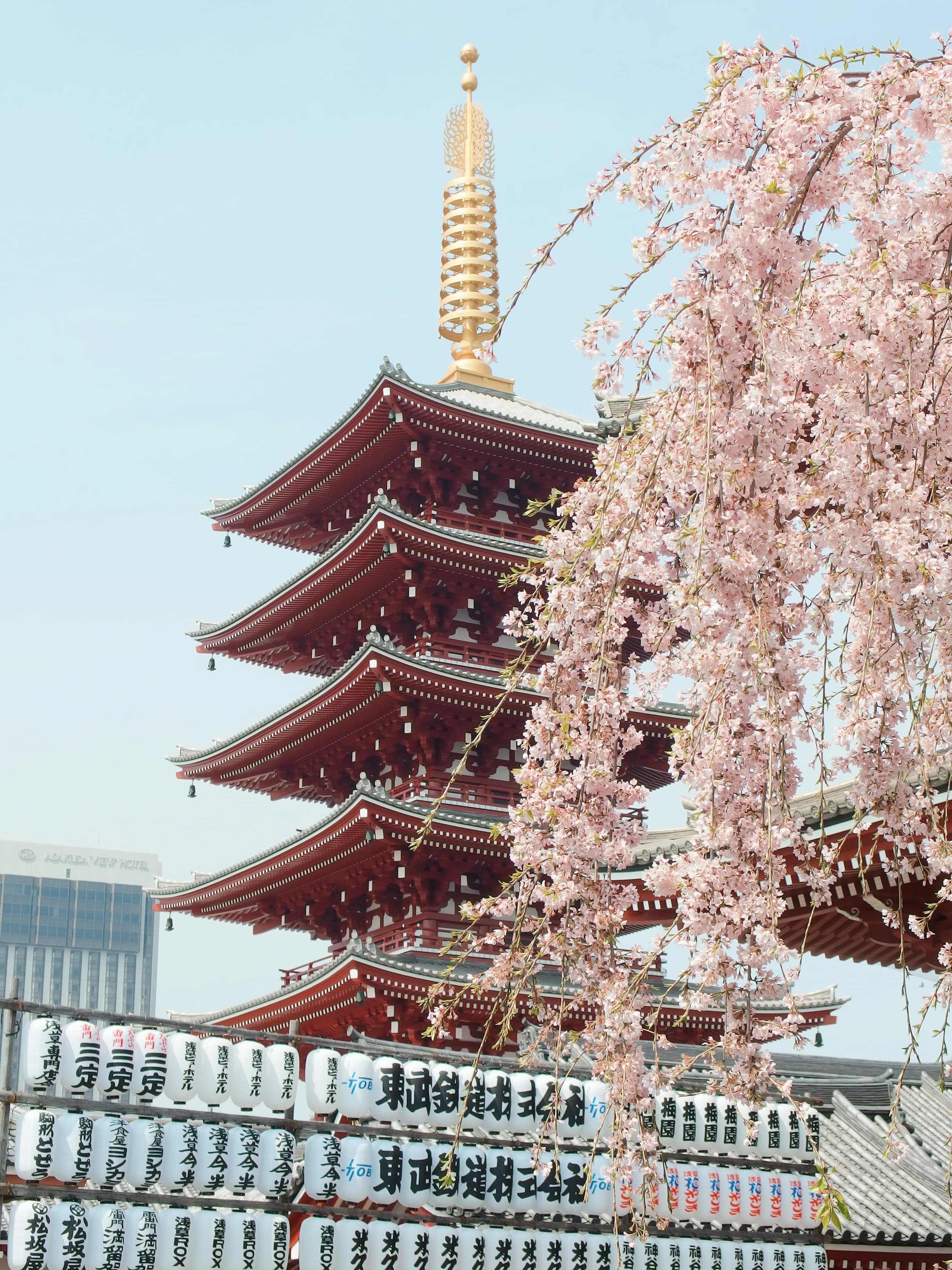
Autumn is my favourite time to be in Japan, and it's why we run our Japan trips in October and November. It's cooler, the light is softer, Fuji actually shows its face, and the food is at its best.
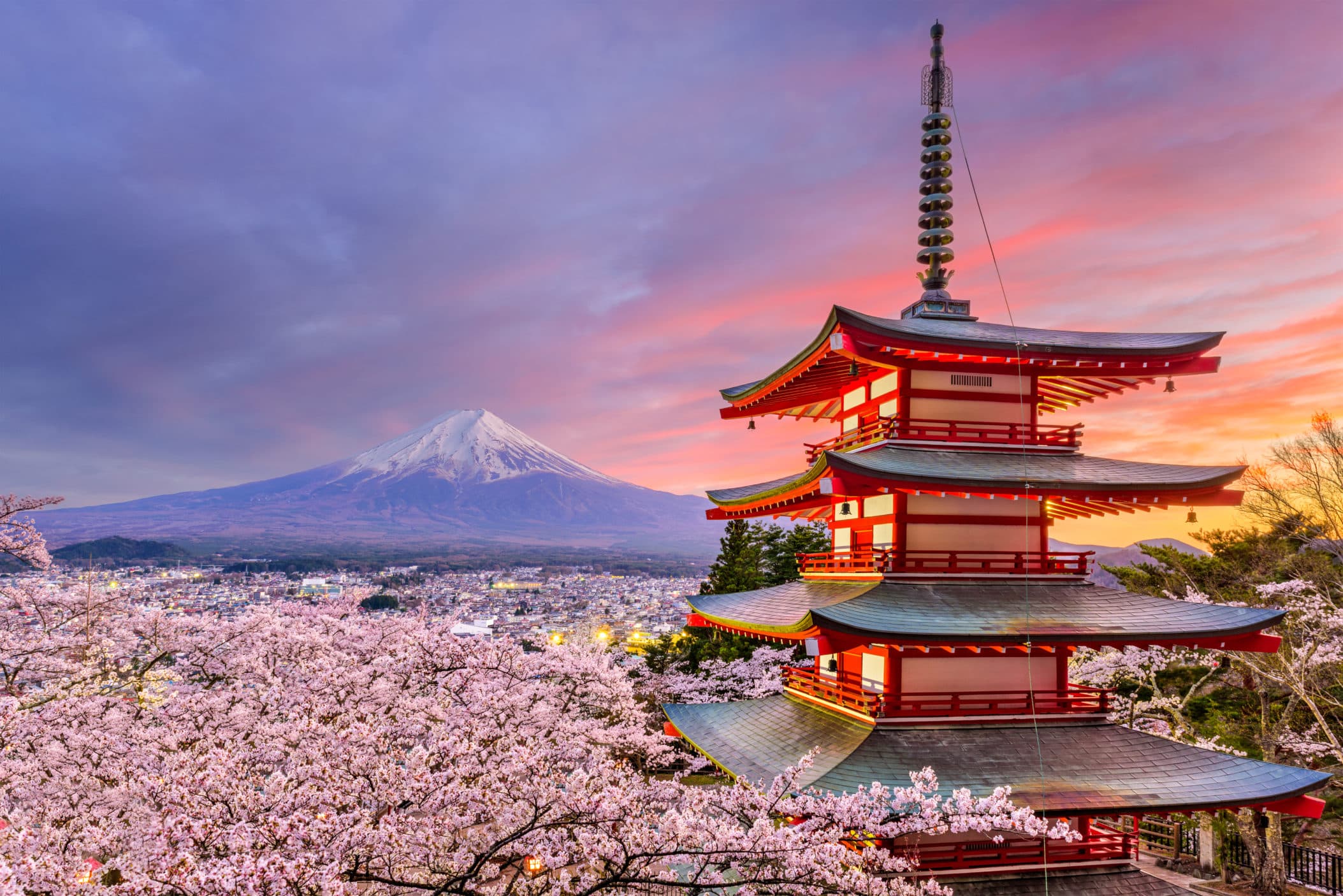
It's also the season with the most confusing advice online. A lot of the "Japan in autumn" photos you'll see are from early December, and plenty of the rest are cherry blossoms, which bloom in spring. So here's the honest version.
What the weather is really like
| When | What to expect |
|---|---|
| Mid to late October | Tokyo and Kyoto sit around 20 to 23°C in the day and cool off at night. T-shirt weather, with a light jacket for the evening. |
| November | Crisper, around 13 to 18°C in the day. Evenings need a proper layer. |
| Around Mt. Fuji | Always colder than the cities. Early mornings in November can get close to freezing. |
Early October can still catch the tail end of typhoon season, which is one reason our trips start mid-month. By November the weather is about as dependable as Japan gets.
When the leaves actually turn
Autumn colour, or koyo, starts in the north and the mountains and works its way south and downhill. Roughly:
- Fuji Five Lakes (Kawaguchiko): usually the first of our stops to turn, through the first half of November. The maple corridor by the lake is the spot.
- Tokyo: the ginkgo trees go gold in late November, and the red maples follow at the very end of the month.
- Kyoto and Osaka: the famous red maples peak from late November into early December.
This year the forecasters expect a slightly late season after a warm autumn. So if you're travelling in October, expect green with hints of colour, comfortable days and smaller crowds. If you want Kyoto's temples fully red, aim for the last week of November and book early, because everyone else is aiming for it too.
Cherry blossoms are a March and April thing. Autumn has its own show, and honestly, I think it's the better one.
The shopping rule that changes on 1 November 2026
This one matters if you plan to shop, and most guides haven't caught up yet.
Until 31 October, tax-free shopping works the way you might remember: show your passport, spend over ¥5,000 in one shop, and the 10% tax comes off at the till. From 1 November 2026, you pay the full price, tax included, and claim the tax back when you leave Japan.
- Shop as normal and show your passport when you pay. Keep your receipts.
- At the airport, take your purchases to a tax-free terminal before you check in your bags. Once your suitcase is gone, you can't show what's in it.
- Customs confirms the goods are leaving Japan, and your refund is paid out.
Doing Mario Kart in Tokyo? Sort your licence first
Driving go-karts through Tokyo in costume is one of the best things you'll do in Japan, and it's on our itinerary. But those karts drive on real public roads, so the rules are real too. Every year people turn up excited and get turned away at the counter.
To drive, you need an International Driving Permit in the 1949 Geneva Convention format, which is the only kind Japan accepts. The good news is that the one issued in India through the Parivahan portal and your RTO is exactly that. You'll also need your original Indian licence and your passport, because the permit on its own isn't enough.
- Apply for an International Driving Permit on the Parivahan website or at your RTO, with your Indian driving licence, passport and travel details.
- Do it a few weeks before you fly. Don't leave it to the last week.
- Pack the paper permit, your original licence and your passport together. You'll show all three at the kart shop.
Timing is everything
Japan's famous spots are busy for good reason. The trick isn't skipping them, it's turning up at the right hour.
- Fushimi Inari, Kyoto: before 8am. The shrine never closes, and the first stretch of gates is almost empty at sunrise. By 10am it's a queue.
- Arashiyama bamboo grove: the same rule. Go early, then reward yourself with lunch in Arashiyama.
- Nishiki Market, Kyoto: around 9 or 10am, once the stalls are open and before the crowd. Many food stalls start shutting by late afternoon.
- Tsukiji Outer Market, Tokyo: before 9am. It's breakfast territory, most stalls wind down by early afternoon, and a lot of them are cash only.
- Shibuya Sky: sunset slots go first. Book a few weeks ahead if you want golden hour over the crossing.
- Dotonbori, Osaka: after dark, when the neon is on and the street food is at its best.
- Don Quijote: the big branches, like the one in Shibuya, stay open all night. Go after dinner, when you're too wired to sleep anyway.
Nights out
For a country with a reputation for early nights, Tokyo stays up late.
- Golden Gai, Shinjuku. Six narrow lanes of tiny bars, some with room for six people. Many charge a small seating fee, usually a few hundred to a thousand yen, and some would rather you didn't take photos, so ask.
- Clubs. WOMB in Shibuya is the big name for house and techno, and Circus Tokyo and VENT are smaller and excellent. Expect a cover of roughly ¥2,000 to ¥4,000, often with a drink included. Carry your passport for the ID check.
- Kyoto evenings. Walk Pontocho, the lantern-lit alley by the river, and Gion at dusk. Stay off Gion's private lanes, though: photos are banned there and there's a ¥10,000 fine.
What to pack
- Layers. A light jacket for October, and a warm layer or a thin down jacket for November and anywhere near Fuji.
- Shoes you trust. A normal day is 15,000 to 20,000 steps.
- A small bag for rubbish. Japan has very few public bins, so you'll carry your wrappers until you find one.
- Some cash. Cards work almost everywhere in the cities, but small shops, shrines and market stalls still prefer yen. 7-Eleven ATMs take most Visa and Mastercard debit cards.
- A Suica or ICOCA card. Load it once and tap through trains, buses and konbini.
How our Japan trips handle all this
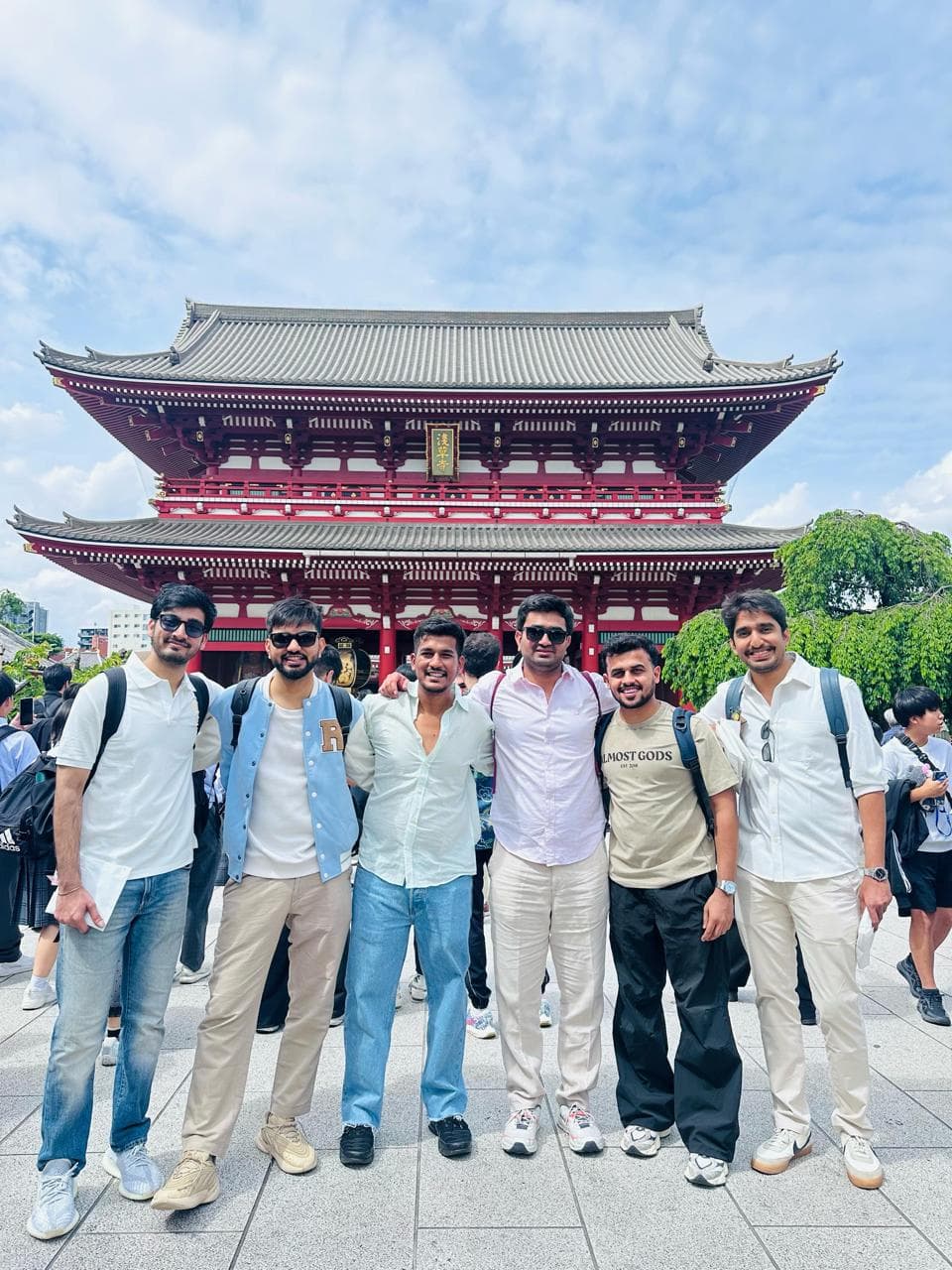
Our Japan trips are timed around this season on purpose: October for warm days and quieter temples, November for Fuji's colours. The early starts are built into the plan, the big experiences are booked before you land, and someone from our team is on WhatsApp the whole way if the weather changes things.

Griva Jain
Founder, Brew Your Experiences
Griva started Brew by planning trips for friends, and still plans every route herself. She's usually the one on the group WhatsApp at 2am sorting out tomorrow.
Prefer your own dates? Plan a custom trip with us