In short
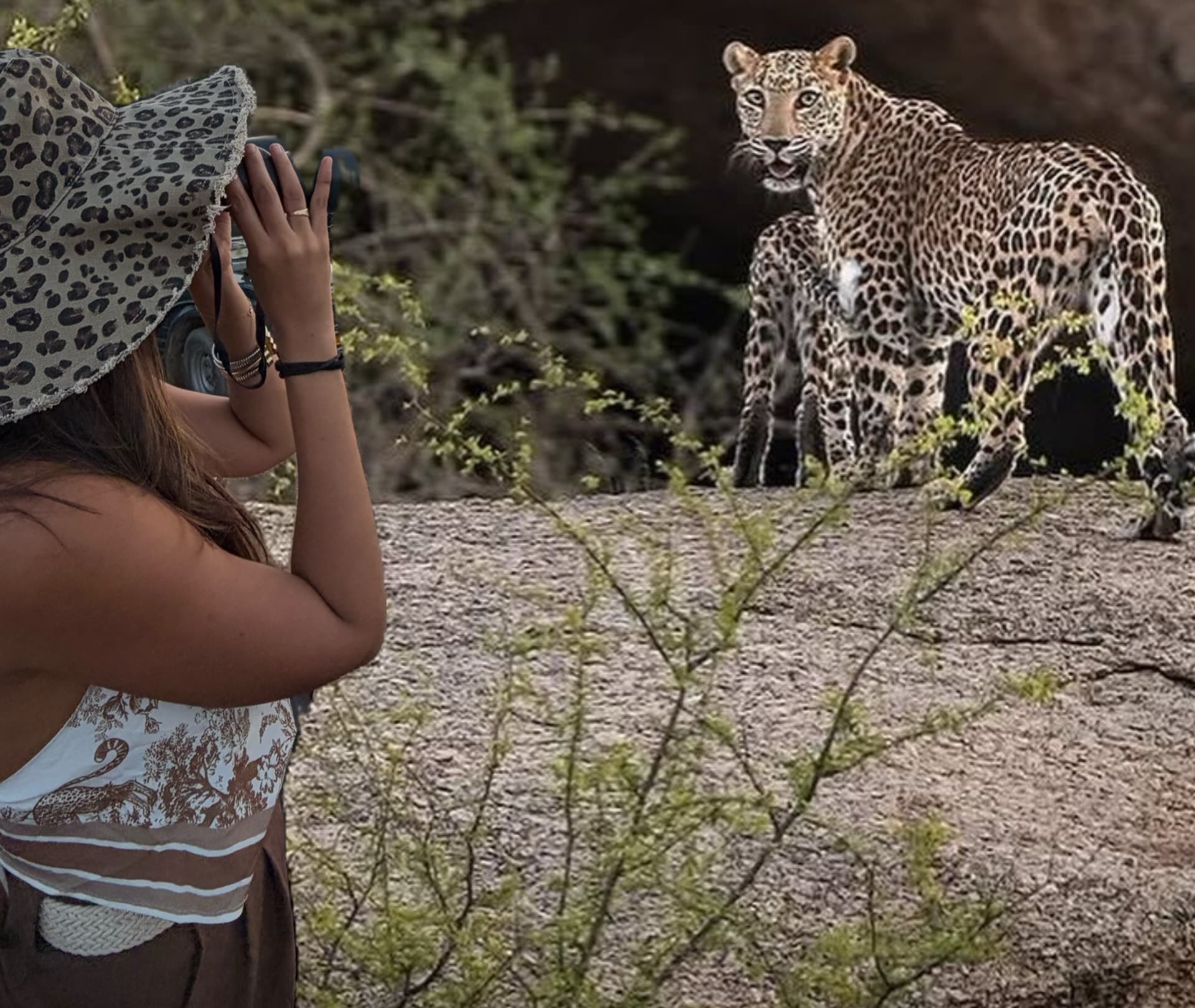
- Jawai isn't a national park. Leopards live on granite hills between villages and temples.
- Go between October and March. December and January mornings are cold.
- Two nights is the right length: it gives you a sunset and a sunrise safari.
- Our 2-night weekend is about ₹20,000 per person, with stay, breakfast, dinner and both safaris.
When we posted about our Jawai weekend a couple of weeks ago, hundreds of you commented. Most people had the same two questions. Is it really that easy to see a leopard? And where exactly is this place?
Fair questions, because Jawai doesn't look like any safari you've seen. There's no dense jungle, no park gate and no zone map. Just big granite hills, farmland, a lake, small villages, and leopards that have lived alongside all of it for generations. Here's what you should know before you go.
Where Jawai is, and why it's different
Jawai is in Rajasthan's Pali district, roughly halfway between Udaipur and Jodhpur. People also call it Bera, after one of the villages in the area. The landscape is all rocky outcrops and caves, which is exactly what leopards like. Estimates put the local population somewhere around 50 to 60 leopards, which is a lot for an area this size.
What makes it special is that this isn't a protected forest with people kept out. The leopards share the hills with the Rabari, a semi-nomadic herding community you'll recognise from the men's white clothes and red turbans. Rabari families do lose goats to leopards, and they've traditionally chosen not to retaliate. A lot of the hills have small temples on top, and it's not unusual to see a leopard resting on a ledge not far from one.
There's no fence between the leopards and the village. That's the whole point of Jawai.
How a safari here works
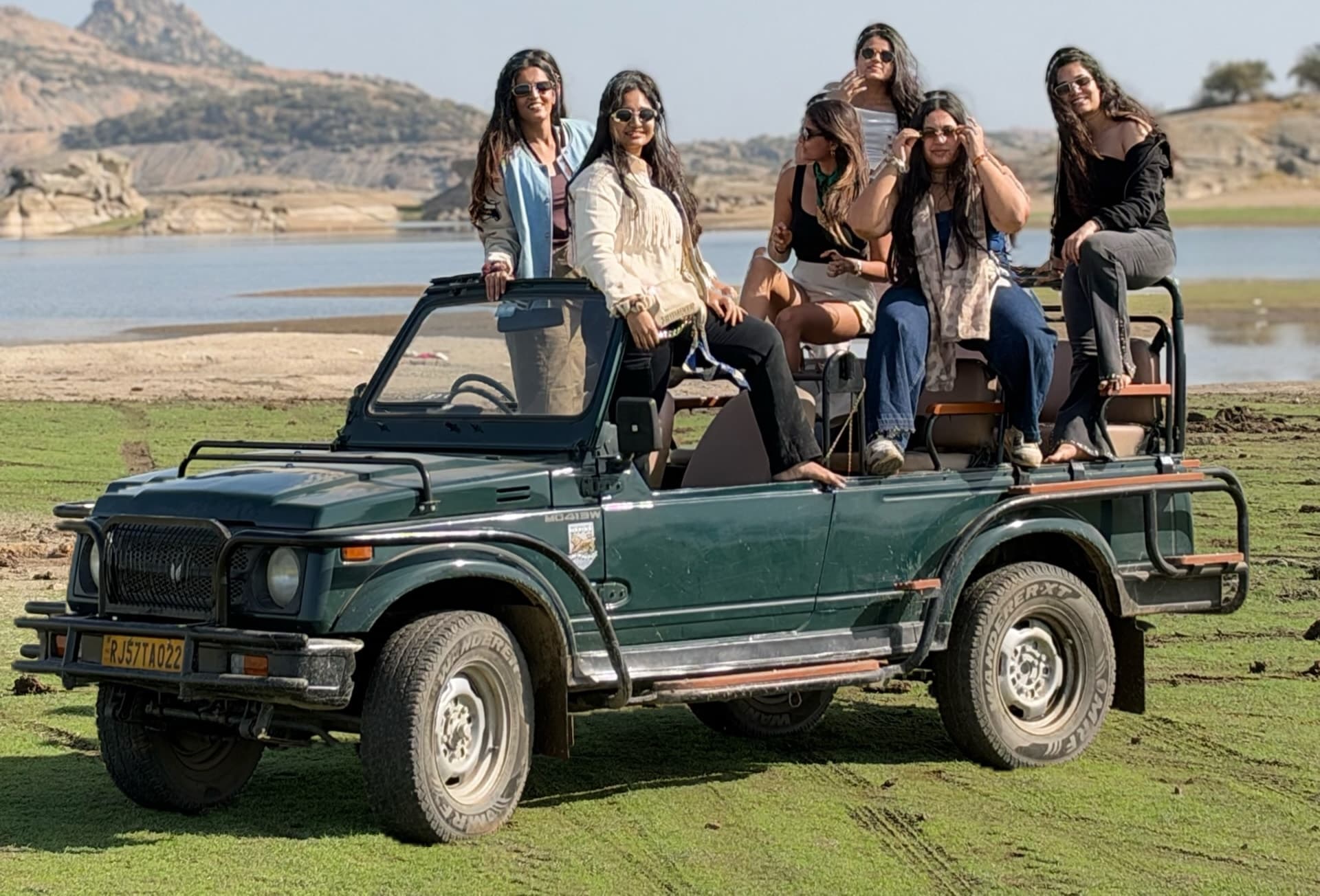
Safaris are in open Gypsy-style jeeps, with a driver and a local tracker who knows which hills each leopard tends to use. There are two slots a day:
- Morning: from around sunrise to mid-morning. Roughly 6 to 9am in winter.
- Evening: from mid-afternoon until just after sunset. Roughly 4 to 7pm in winter.
Exact timings shift with the season, and in summer the morning drive starts earlier to beat the heat. Leopards are most active around dawn and dusk, which is why the drives are timed this way. Sightings are never guaranteed, it's a wild animal, but doing one evening and one morning safari gives you two very good chances.
It's not just leopards
The Jawai Bandh dam, built by the Jodhpur state under Maharaja Umaid Singh, is one of the largest in western Rajasthan, and the lake behind it is half the reason Jawai is so beautiful.
- Mugger crocodiles bask on the banks. You'll often see them from the jeep.
- Winter birds arrive from October onwards: bar-headed geese, ruddy shelducks, cranes and, in good years, flamingos.
- Hyenas, jungle cats, desert foxes and nilgai show up on drives too. Striped hyenas are usually an evening sighting.
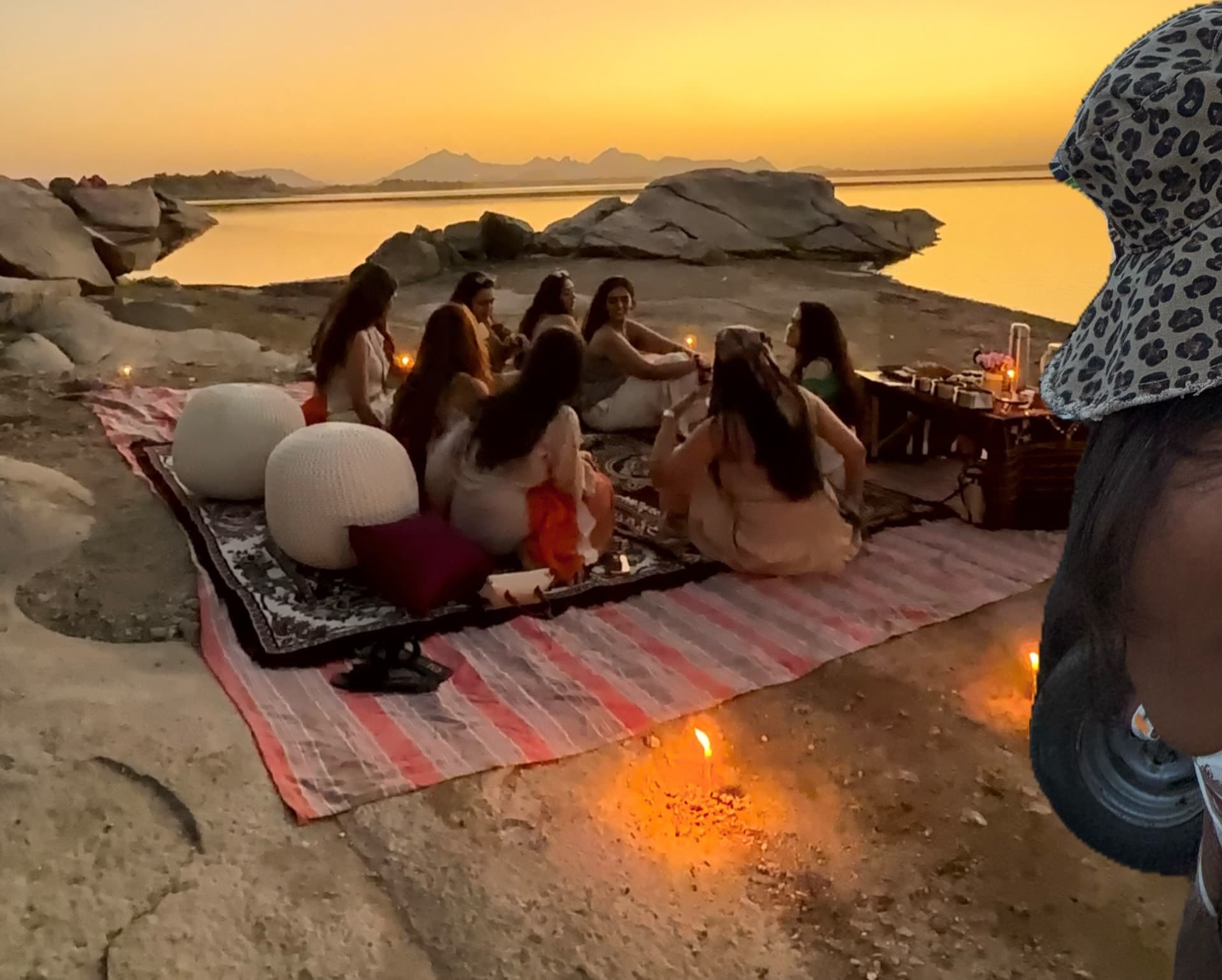
- Sunsets over the lake are honestly worth the trip on their own.
When to go
| Season | What it's like |
|---|---|
| October to March | The best time. Pleasant days, clear light, winter birds on the lake. December and January mornings are properly cold. |
| April to June | Very hot in the day. Leopards are still easy to spot on bare rocks at dusk, and drives start earlier. |
| July to September | Monsoon. The hills turn green, but some camps close or cut back on safaris. |
If you can only pick one window, go between late October and February. It's also the easiest time to combine Jawai with a Diwali, Christmas or long weekend break.
How to get there
Jawai is a short flight and a drive, or a train, from most big Indian cities.
- By air: the nearest airports are Udaipur and Jodhpur, each about 3 hours away by road.
- By train: Jawai Bandh and Falna are the nearest stations. Several trains from Mumbai, Ahmedabad, Delhi and Jaipur stop at Falna. Check the latest timings on IRCTC, since many arrive at odd hours of the night.
- From the station or airport: most stays arrange a pick-up, and it's worth booking it in advance.
What to pack
- Layers. Open jeeps at 6am in winter are cold, even when the afternoon is warm. A jacket, a cap and even gloves for December and January.
- Neutral colours for safaris. Earthy tones, not neon.
- Sunscreen, sunglasses and a scarf for the dust.
- Binoculars, and a camera with a zoom lens if you have one.
- A small torch for the evenings.
- Comfortable shoes you can climb a little in. The sunset spots are often on rocks.
Being a good guest
Jawai only works because the people who live here put up with leopards, and now with us. A few things that matter:
- Don't ask your driver to get closer. Good operators keep a respectful distance, and a stressed leopard just disappears into the rocks.
- Keep quiet at a sighting, and no flash or spotlights on the animals.
- Stay on the tracks, and don't walk into fields or homes without being invited.
- Ask before you photograph people, especially Rabari women and families.
What our Jawai weekend looks like
Ours is a 2-night, 3-day weekend, which is the length I'd recommend to anyone. It's long enough for two safaris without rushing, and short enough to do without taking a week off.
- Day 1: arrive and sunset safari. Check in, then head out on the evening leopard safari, with high tea set up by the lake while the sun goes down. Dinner and the night at the stay.
- Day 2: sunrise safari and a slow day. An early morning leopard safari, back for breakfast, then the day is yours to relax or explore Jawai. Dinner and the night at the stay.
- Day 3: head home. Breakfast, check out and leave.
It's about ₹20,000 per person, including two nights' stay, breakfast and dinner, both leopard safaris (sunrise and sunset), and the lakeside high tea. Travel to Jawai is on top, so you can come from wherever you are.
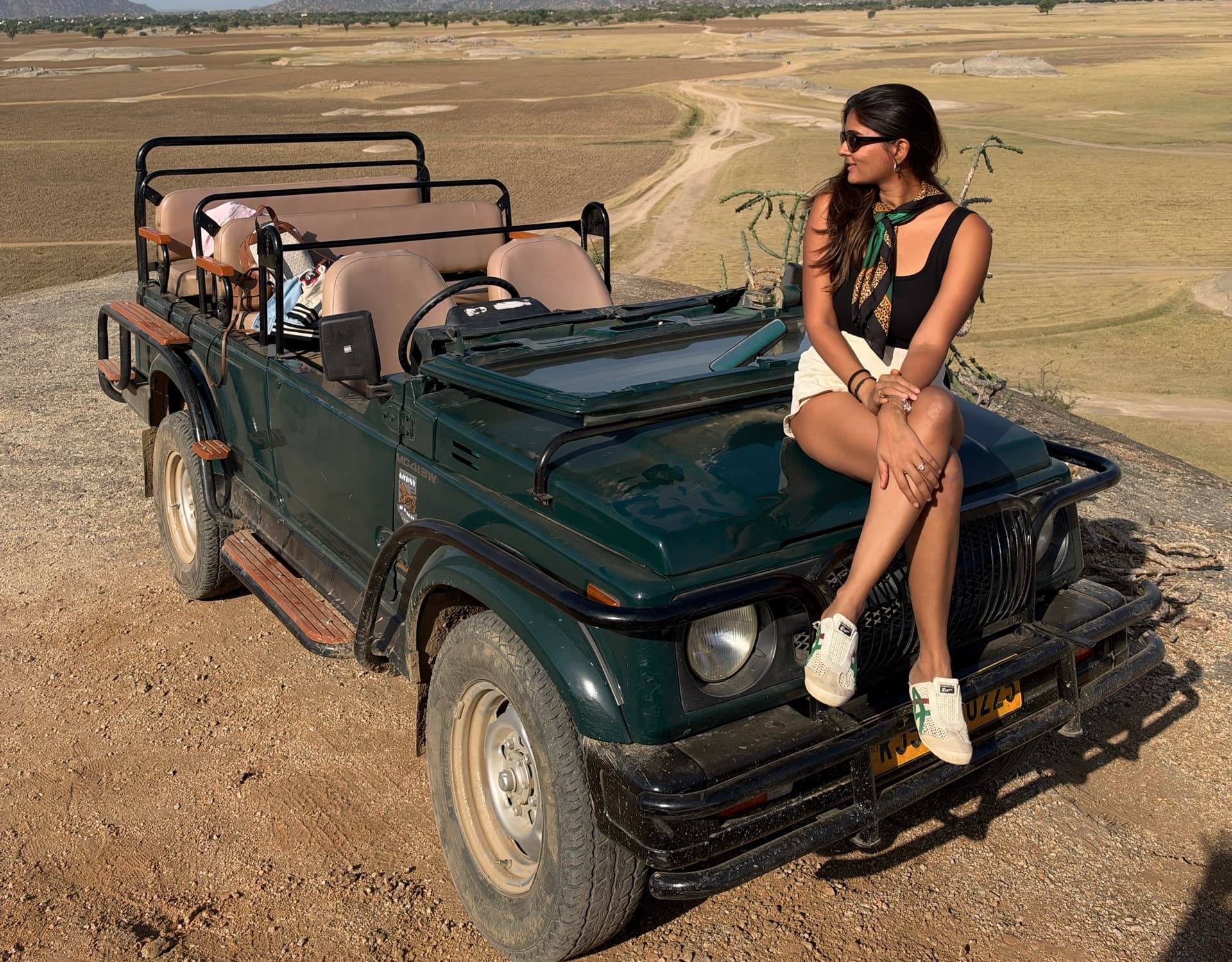
It works for a girls' trip, a couple's break, or a weekend with your parents, who will love the sunsets as much as the leopards. Message us on WhatsApp for dates and the full itinerary, or ask us to plan a version around your own dates.
Griva Jain
Founder, Brew Your Experiences
Griva started Brew by planning trips for friends, and still plans every route herself. She's usually the one on the group WhatsApp at 2am sorting out tomorrow.
Prefer your own dates? Plan a custom trip with us